Bookkeeping for a sole trader
If you’re starting out as a sole trader, it’s important to get to grips with the accounting records you need to keep for your business. Self-employed individuals have some specific bookkeeping responsibilities, which will help an accountant to ensure their tax returns are accurate. Let’s look at what you need to know about sole trader bookkeeping.
Why is bookkeeping necessary?
Bookkeeping is essentially keeping track of your business income and expenses. Not only is this key for understanding your finances at any given time, it’s also important for the accurate completion of your tax returns. You should do your bookkeeping on a regular basis, setting aside time daily or weekly to keep your records up to date. Getting into this habit avoids too many figures stacking up, leading to confusion, lost invoices and other issues.
How to tackle bookkeeping as a sole trader
With the developments in accounting software, bookkeeping as a sole trader has never been easier. There’s no need to spend hours with spreadsheets and calculations, and you can even automate certain processes to make the job simpler and less time consuming.
Keep hold of all invoices and receipts, and upload invoices to your software where necessary. This will make reconciling your financial records and completing your Self Assessments easier. If you have an accountant, it will ensure they can calculate your tax liabilities faster and with complete accuracy. Should HMRC raise any queries about your tax affairs, careful bookkeeping will help you to deal with them.
Accruals or cash basis
There are two different ways to approach your bookkeeping. If you choose the accruals basis system, you’ll need to record transactions on the date they’re invoiced, regardless of when the invoice is paid. For cash basis, transactions are recorded on the date of payment, regardless of when the payment was due. Cash basis accounting is a simpler approach that will suit most sole traders, but your accountant can offer advice on which system will work best for you.
Records you need to keep
The records you’ll need to keep are:
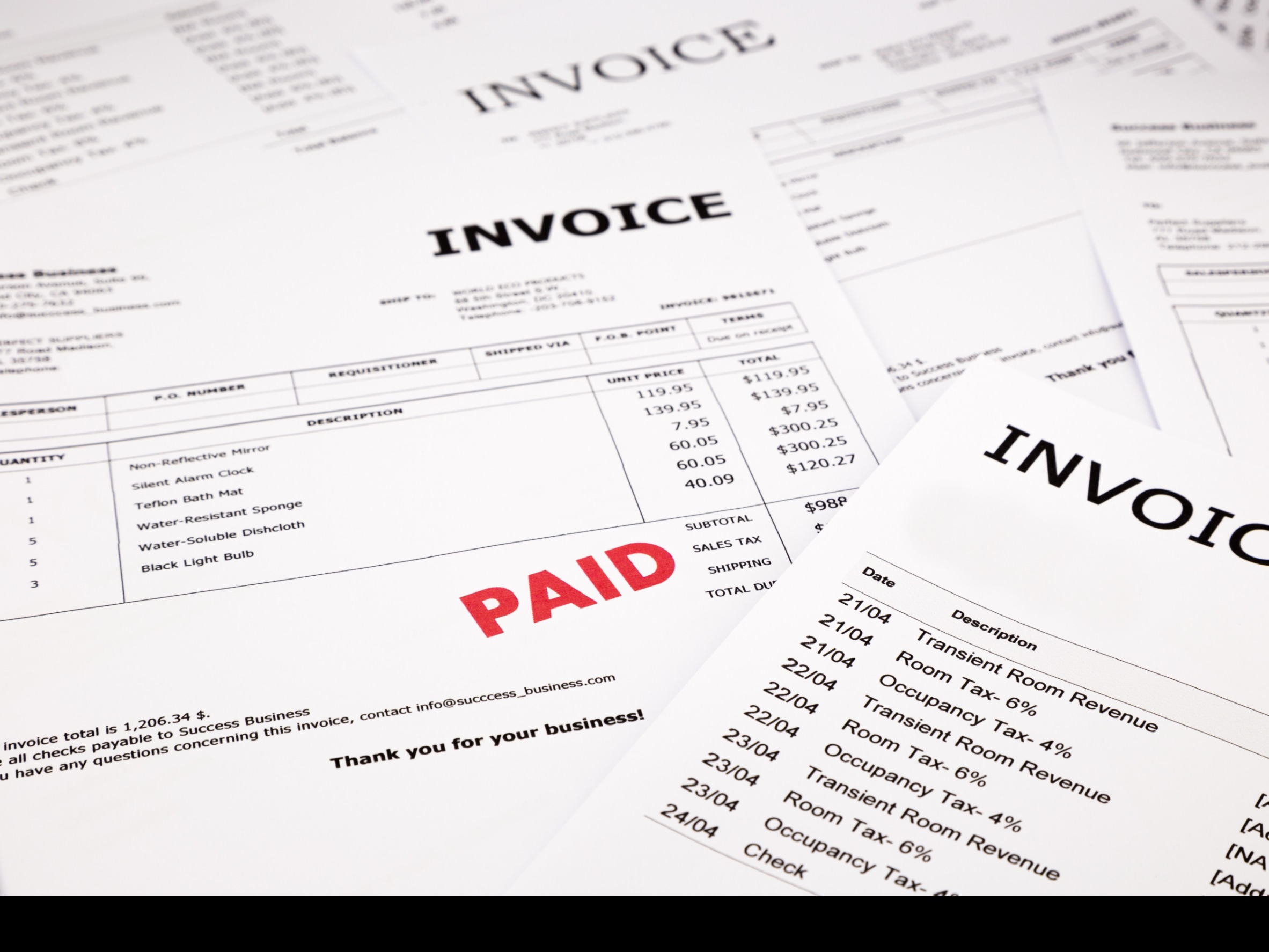
- Income: Invoices and other supporting documents for all your income, whether it’s income from a property let or your self-employed work.
- Expenses: Any expenses and receipts that relate to your business should be retained.
- VAT records: If you are VAT registered, you’ll need to keep a record of VAT invoices charged to customers and any expenses where VAT has been paid.
- Bank records: Bank transactions relating to your business or self-employment should be recorded. You will need a separate business bank account to make this easier. You can link this to your accounting software to automatically record transactions.
How long should sole traders keep tax records for?
Tax records for your business or self-employed work should be kept for at least five years after the 31 January deadline for the tax year in question. So, for the 2023/24 tax year, the submission deadline is 31 January 2025. You would then need to retain your records until at least January 2030.
If you need help with your sole trader bookkeeping, contact a reputable accountant today.